


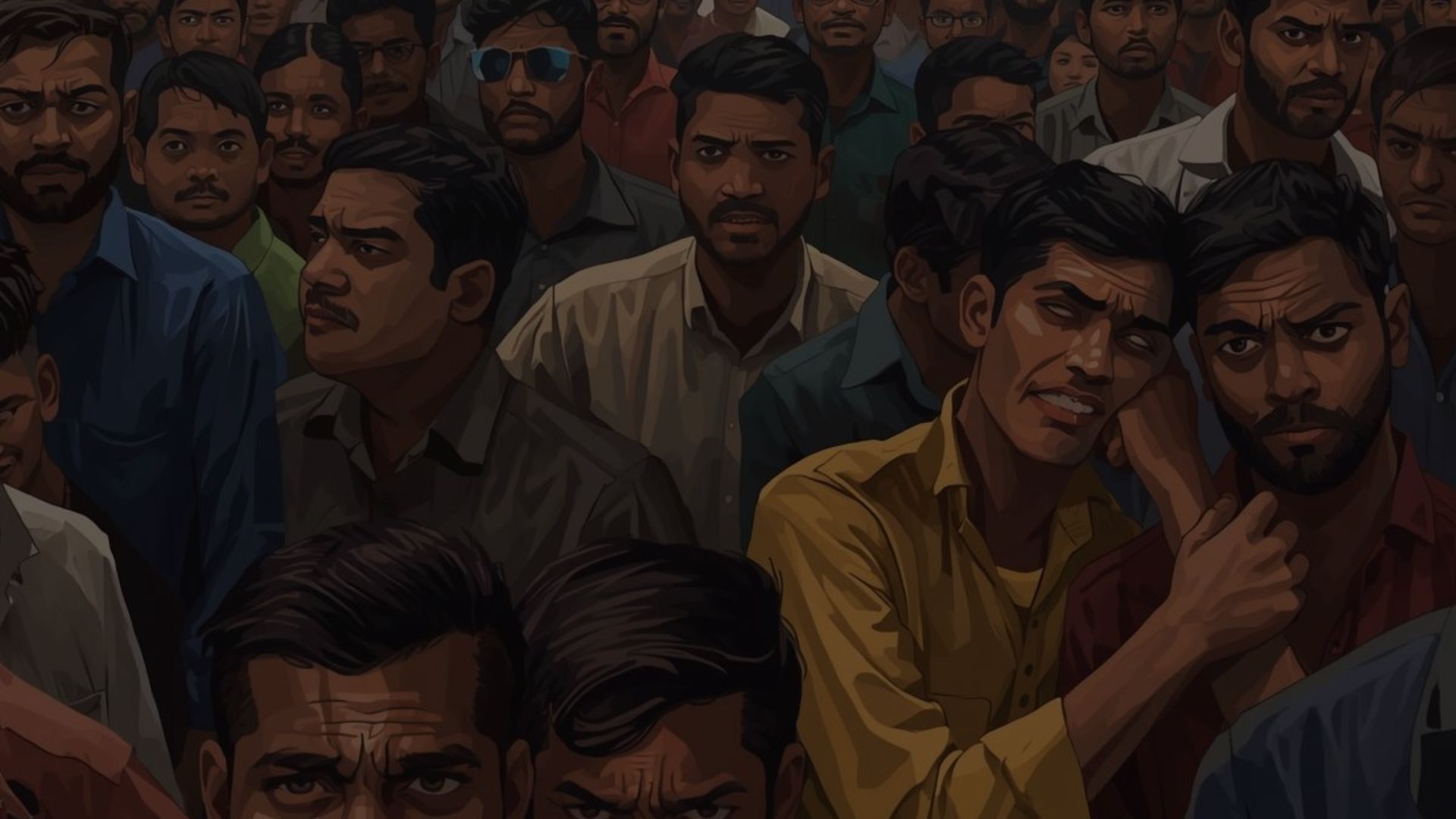
Chennai doesn’t shout about mental health. It rarely has. But listen closely and it is everywhere: a father who cannot sleep for weeks after a job loss, a college student who suddenly stops attending class, a new mother who feels dread instead of joy, a senior who withdraws quietly after a fall.
The good news is that support is easier to find than it used to be. The confusing part is choosing the right door to knock on first.
Therapist vs psychiatrist: the split that matters
People often say “I need a counsellor” when they may need medical help, or they say “I need a psychiatrist” when talk therapy is the better start.
- A therapist or psychologist helps with talk-based care: anxiety, panic, depression, stress, grief, relationship strain, parenting stress, trauma, habits, and coping skills.
- A psychiatrist is a medical doctor. They diagnose and prescribe medication, and handle severe symptoms and higher-risk situations.
Many people end up using both. It isn’t a failure. It’s normal, especially when symptoms affect sleep, appetite, or functioning.
Where Chennai’s mental health care actually lives
If you want Chennai-specific landmarks, start with these types of institutions:
Public-sector care (often more affordable, sometimes crowded):
- Institute of Mental Health (IMH), Kilpauk is one of the city’s long-standing psychiatric institutions, with academic and historical documentation describing it as one of the oldest and largest mental hospitals in the region.
- Kilpauk Medical College’s Psychiatry Department is another established pathway, and the college itself documents the department’s establishment and growth over decades.
These options can be helpful for severe illness, medication management, and long-term care, but waiting time and crowds can be real. Going in with patience helps.
Not-for-profit and community-oriented care:
- SCARF (Schizophrenia Research Foundation) in Anna Nagar is one of Chennai’s best-known mental health NGOs. SCARF’s own profile notes it was founded in 1984 by Dr. M. Sarada Menon and focuses on rehabilitation and clinical services.
If you’re supporting a family member with serious illness, a rehab-linked organisation can matter as much as a hospital.
A simple Chennai decision tree
Use this if you’re unsure where to begin.
Start with a therapist if:
- anxiety is persistent but you are still functioning
- work stress is turning into burnout
- low mood has lasted weeks, but there’s no immediate danger
- relationship conflict, grief, or trauma symptoms are driving daily distress
Start with a psychiatrist or hospital-based service if:
- there are suicidal thoughts, self-harm, or threats
- sleep has collapsed for weeks, or there’s severe agitation
- there are hallucinations, paranoia, or confusion
- substance withdrawal is severe
- a teenager has stopped eating, self-harming, or become unmanageable at home
For those urgent situations, don’t treat it as a “mental health conversation.” Treat it like any emergency.
A quick first step that doesn’t require confidence
If someone wants help but isn’t ready to walk into a clinic, India’s Tele-MANAS programme is a practical bridge. The Ministry of Health’s Tele-MANAS portal lists 14416 as the helpline for 24/7 counselling support.
At the national level, the government reported over 32.84 lakh calls handled since Tele-MANAS began (as of Feb 2026).
It’s not a replacement for therapy or psychiatry. It’s a starting point for people who feel stuck.
What a good first therapy session feels like
The first session in Chennai looks like the first session anywhere. Less drama, more clarity.
You talk through the basics: what’s happening, how long it has been happening, what you’ve tried, what feels worst. A good therapist will ask about sleep, appetite, panic symptoms, substance use, relationships, and work rhythm. They’re not being nosy. They’re mapping the situation.
If the session ends and you feel slightly more organised, even if still upset, that’s a good sign.
Fees in Chennai: how to think about it without shame
Costs vary widely depending on experience, specialization, and setting. Instead of hunting for “cheap therapy,” aim for something you can sustain. Many people quit because they choose a fee that’s painful, then feel guilty about stopping. That guilt doesn’t help anyone.
Chennai also has NGO and hospital-linked options where costs can be lower, but access can require more persistence.
A Chennai reality: language comfort is not a small thing
Tamil, English, Telugu, Malayalam, Hindi. Chennai is multilingual, and therapy works best when you can speak naturally. If your emotional vocabulary is strongest in Tamil, choose a Tamil-speaking therapist when possible. It reduces the “translation fatigue” that can make sessions feel shallow.
Crisis help in Chennai
India’s unified emergency number 112 is designed for emergency response support.
Chennai district’s official helpline list includes 108 (ambulance), 100 (police), and 1098 (child helpline).
If someone is at immediate risk, call first. Debrief later.
Mental health support isn’t about being “weak” or “strong.” It’s about getting your life back into a shape you can live in. Chennai has more options than people assume. The hard part is taking the first small step.

