


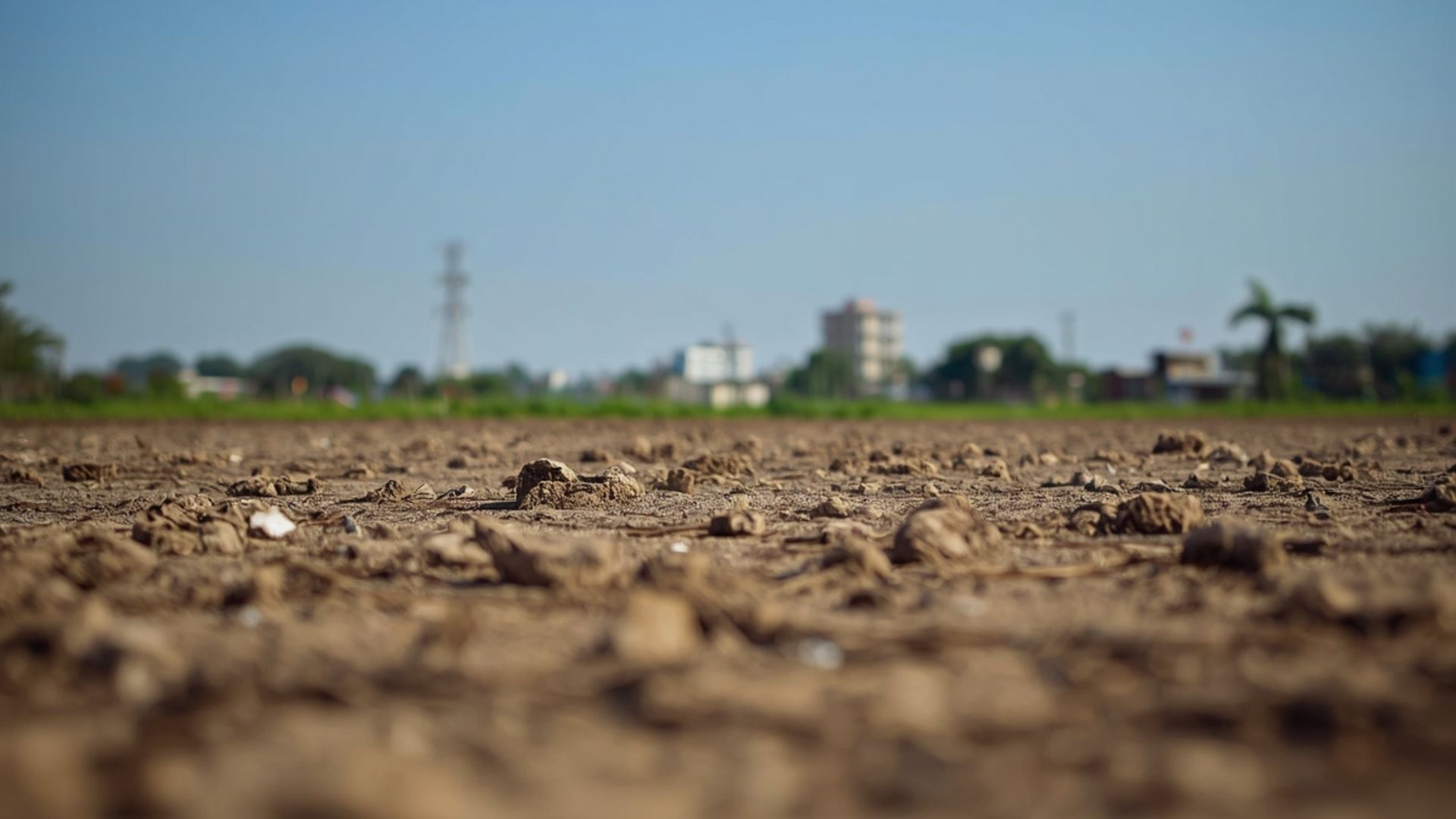
April arrives in Chennai with the kind of heat that is less a weather event and more a civic test. By mid-morning on April 3, temperatures in the city were already touching 34 degrees Celsius under abundantly sunny skies, with humidity levels that will climb further as the month progresses. This is the beginning of the season that Chennai residents — particularly those in the city’s rapidly expanding outer suburbs — know all too well: the weeks when the conversation shifts from traffic and elections to water supply, heat safety, and the state of the city’s reservoirs.
Chennai’s summer water supply has historically been one of the most acutely felt urban governance challenges in India. The city of 14.5 million draws water from a combination of reservoirs — Poondi, Chembarambakkam, Puzhal, and Sholavaram — supplemented by groundwater and the increasingly critical Veeranam reservoir in Cuddalore district, connected to the city via a long pipeline. In drought years, these sources have run critically low, forcing authorities to deploy water tankers and implement strict rationing schedules. As of now, reservoir levels heading into April 2026 have not been flagged as critically low, but the city’s experience teaches residents not to assume comfort this early in the summer.
The heat itself poses a separate set of public health concerns. A recent analysis of urban conditions in Chennai found that the city’s population density, combined with significant reduction in green cover in many central and mid-city areas, creates pronounced urban heat island effects — meaning temperatures in built-up neighbourhoods run measurably higher than readings at official weather stations near open ground. For elderly residents, outdoor workers, and those without access to cooling — a significant section of Chennai’s lower-income population — April and May represent a period of genuine physiological risk.
The Chennai constituencies data compiled by the OpenCity data initiative ahead of the elections provides a useful lens here. The datajam, conducted in late March, assessed constituency-level access to public health centres (UPHCs), green spaces, and sanitation infrastructure. It found that resettlement colonies in outer areas like Sholinganallur and Semmencherry — where families displaced from the city core have been relocated — have limited access to UPHCs and poor sanitation coverage. For these residents, summer heat is not simply an inconvenience but a direct risk amplified by inadequate infrastructure.
At the IPL match tonight at the MA Chidambaram Stadium, spectators will experience first-hand what Chennai’s April evenings feel like: temperatures settling around 28–29 degrees Celsius by the time the ball is bowled at 7:30 PM, with 82% humidity and dew beginning to settle later in the second innings. Comfortable for watching cricket, perhaps, but illustrative of the ambient conditions the city’s millions inhabit across the coming weeks without the benefit of stadium lighting and crowd energy.
The election manifestos of both major parties have made references to urban heat, green cover, and water supply — issues that the data from the constituencies datajam underscores as genuinely urgent. DMK’s manifesto commits ₹10,000 crore for rural roads and promises 50 Semmozhi Poongas (parks) across municipal bodies, which if delivered would offer meaningful green relief to urban neighbourhoods. What April and May in Chennai ultimately test is not just the city’s infrastructure but its governance — and with the election 20 days away, candidates across all 16 Chennai constituencies are hearing about water, heat, and health access on the doorstep.

