


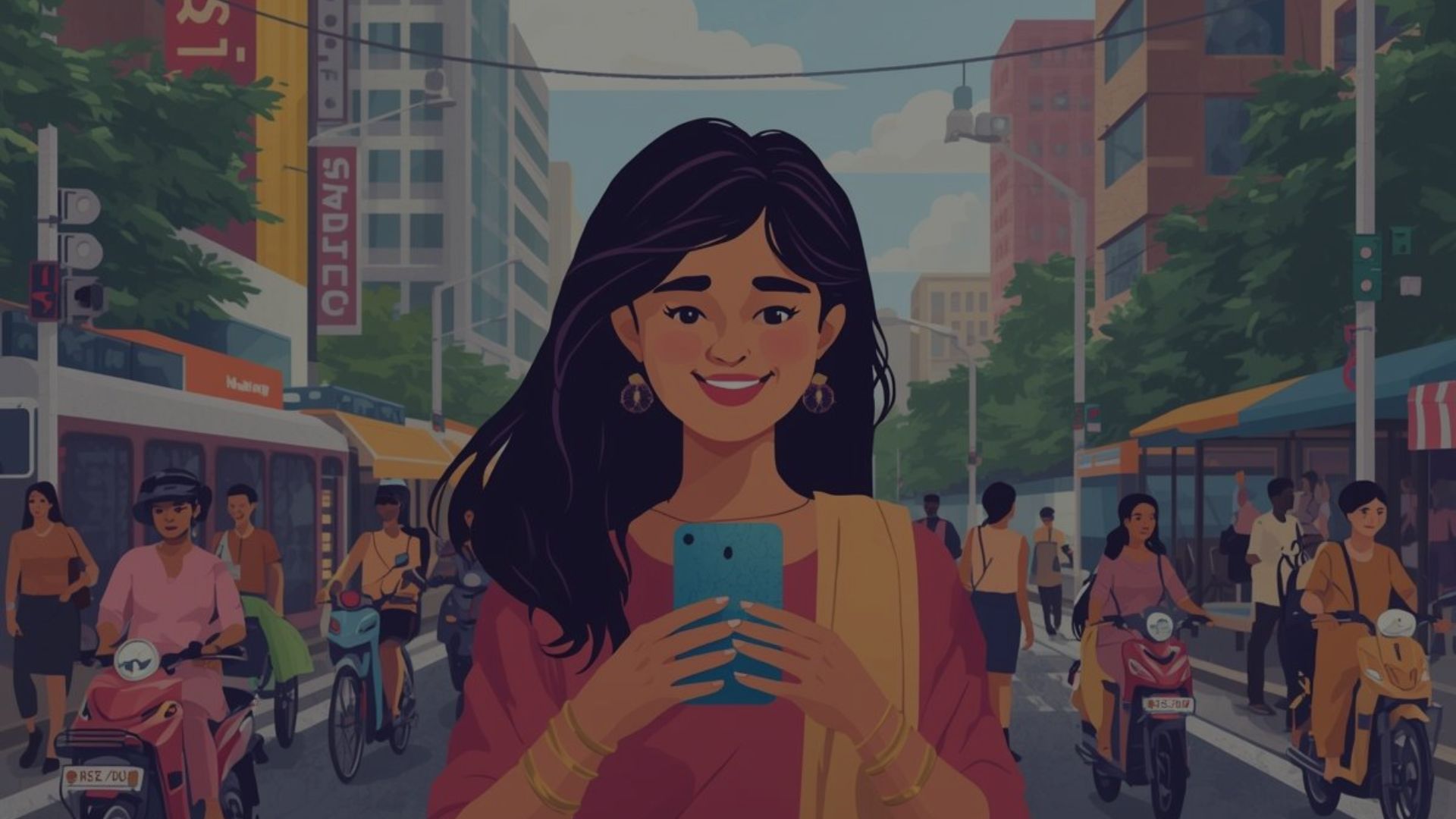
Ask a Chennai parent what “safety” means and you will rarely get a single answer. For some, it’s crime. For others, it’s traffic. For many families, it’s the everyday edges: a dark stretch near the bus stop, a poorly marked school crossing, a phone snatched at a signal, a flooded street that turns a normal evening into an anxious one.
So let’s define the problem properly. Chennai safety for families is not only about headline crimes. In day-to-day life, the bigger risks often come from roads, poor lighting, and situations where people are in a hurry and the street design does not forgive mistakes.
This article keeps the tone calm and the claims checkable. It also gives you a practical way to judge “safe enough” without falling into either panic or complacency.
Start with a blunt point: for many families, roads are the biggest safety risk
If you want one category that harms people across income levels, it’s road accidents. A recent Times of India report on accident-prone zones noted that in 2025 Chennai recorded 1,190 incidents with 469 deaths, while Tambaram recorded 2,171 incidents with 485 deaths.
You do not need to live near a highway for this to matter. In Chennai, risk builds in small ways: speeding on wide stretches, unpredictable lane changes, poor pedestrian crossings, dark medians, and motorcycles weaving through gaps because the road “allows” it.
For families, the safety conversation should include:
- how children cross roads near school
- whether a senior can walk to a shop without stepping into traffic
- whether the daily commute encourages risky riding habits
If you fix nothing else, fix the routines around roads.
Is Chennai “safe” compared to other Indian metros?
On balance, Chennai has a reputation for being more liveable than some larger metros. But that label can hide real variation. A quiet street in Anna Nagar behaves very differently from a busy stretch near a major junction. A well-managed apartment community feels different from an isolated lane with poor lighting and no footpath.
Crime trends also shift by category. A 2025 report quoting Greater Chennai Police statistics said murders fell from 102 in 2024 (30 between Jan 1 and Apr 25) to 29 up to Apr 25, 2025, and robberies were 258 in 2024 versus 51 till the same point in 2025. The same report noted increased registration in crimes against women and children, with 326 cases in the first four months of 2025, and suggested higher sensitivity and stronger case-building as a reason.
Those are useful signals, not a guarantee of “safe city.” They tell you two things:
- Violent crime is not the everyday experience for most families.
- Safety work needs to focus on vulnerable groups and under-reported harm, not just the most dramatic headlines.
What “family safety” looks like in real Chennai life
For most households, safety is a bundle of predictable concerns.
1) The commute and the school run
This is where small risks stack up. If a family uses two-wheelers daily, the risk profile changes immediately. Many serious injuries in cities are not “crime” events. They are a split-second road event.
Practical questions to ask:
- Is there a safe pedestrian crossing near the school or bus stop, or do people just run across?
- Does the route involve a high-speed stretch with poor visibility?
- Are there long waits at dark bus stops in the evening?
If you are choosing a neighbourhood, test the commute at the time you actually travel, not on a relaxed weekend afternoon.
2) After-dark walkability
Chennai can be pleasant to walk in some areas and tense in others. This is rarely about dramatic crime. It is about street design and activity.
A “safer-feeling” street usually has:
- consistent lighting
- mixed activity (homes plus shops plus people on the street)
- clear footpaths, even if imperfect
- visible neighbourhood routines, like security guards, shopkeepers, or residents outside
A street that empties out completely at 9 pm, with broken lights and long compound walls, tends to feel unsafe even if crime numbers are low. Families should trust that signal.
3) Weather-linked safety, especially during heavy rain
Flooded streets are not just an inconvenience. They can cause falls, short circuits, stalled vehicles, and isolated pockets where it becomes difficult to get help quickly.
Greater Chennai planning documents and disaster management material repeatedly flag urban flood risk and the importance of preparedness at ward and city levels. For families, this translates into basic habits: know safe routes, avoid low-lying shortcuts during heavy rain, and do not let children wade through water where open drains may be present.
Neighbourhood choice: how to assess safety without pretending there is a “perfect” area
You do not need a spreadsheet, but you do need a repeatable method.
Do these three checks before committing to a rental or purchase:
- Night check: Visit at 8:30–10 pm. Are streetlights working? Are there people around? Does it feel isolated?
- Rain check: Ask a nearby shopkeeper what happened on the street during the last major rain. You will get a clearer answer than any online forum.
- Routine check: Walk the path to the nearest grocery shop, bus stop, and clinic. If you hate that walk, you will not do it, and the household will default to riskier travel patterns.
Women’s safety: practical supports that families should actually know
In Tamil Nadu, the Women Helpline 181 is positioned as a free, confidential, 24/7 service.
Every family does not need to use it, but every family should know it exists. The point is not fear. The point is readiness.
A useful habit: keep key helplines written down in the house and saved on phones, including children’s phones if they carry one.
Child safety: where help exists, and how to use it
CHILDLINE 1098 is described as a 24/7 free emergency phone service for children in need of aid and assistance.
Chennai district’s official helpline page also lists Child Helpline 1098 and Women Helpline 181, alongside other emergency numbers.
For parents, the best use of these numbers is early, not late. If a child is lost, being harassed, or in a situation where family members are unsure what to do next, quick guidance helps.
Cyber safety: now part of “family safety,” whether we like it or not
A lot of harm in families now arrives through screens: impersonation, blackmail, leaked photos, financial fraud, harassment.
The Government of India’s National Cyber Crime Reporting Portal explicitly states that it caters to cybercrime complaints, with special focus on crimes against women and children. This matters because families often waste time trying to figure out “where to report.” If the harm is digital, start there.
One practical household rule works well: if money is involved, act fast. Freeze transactions, document everything, and report quickly. Delay is what fraudsters rely on.
Emergency readiness: simple systems beat heroics
Chennai district’s official helpline list includes Police 100, Fire 101, Accident Helpline 108, Disaster Helpline 1077, Child Helpline 1098, and Women Helpline 181. Nationally, the Ministry of Home Affairs describes ERSS 112 as a single emergency number for reporting and addressing all kinds of emergencies.
Families do best when they plan for simple failures:
- phone battery dead
- child cannot remember a parent’s number
- the usual route is blocked due to flooding
- a senior needs help quickly and cannot explain location clearly
A very “Chennai” tactic is to teach children one anchor point they can state clearly: apartment name, street name, or a landmark shop. In an emergency call, location clarity matters.
A realistic conclusion for 2026
Chennai is not a city where families need to live in constant fear. It is also not a city where safety happens automatically.
If you want the most practical summary, it is this:
- reduce road exposure
- pick neighbourhoods that are lit, active, and walkable
- keep helplines and reporting routes ready
- treat cyber risk as real risk
- plan for heavy rain like it will happen, because it will
That’s what “family safety” looks like on the ground. Quiet routines, not loud slogans.

