


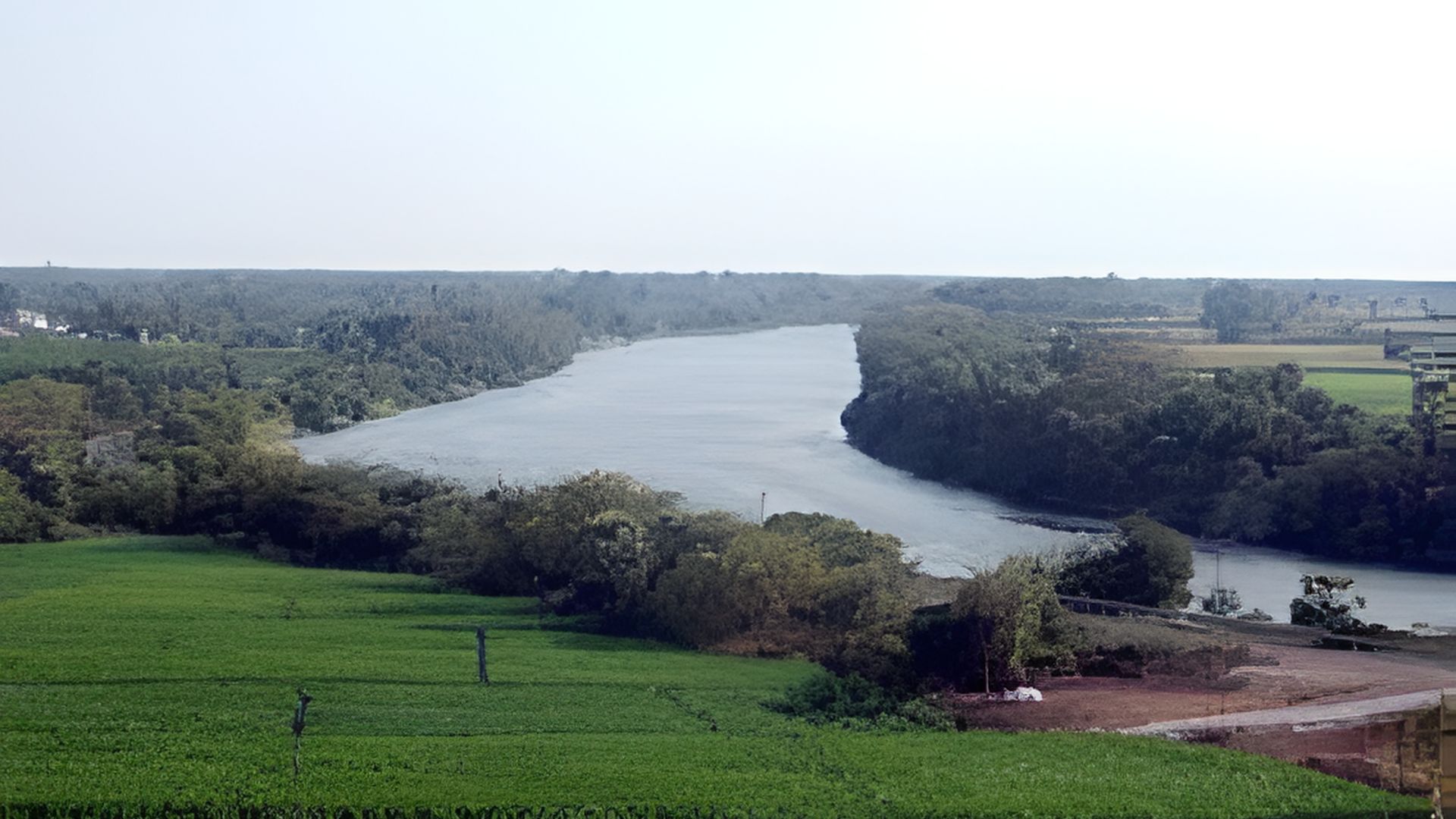
A stretch of the Buckingham Canal at Kazhipattur that was once better known for pollution than biodiversity has turned into a growing mangrove belt under the State’s Green Tamil Nadu Mission, with the Forest Department using engineered tidal channels to help the plants survive and spread.
The plantation covers nearly 250 metres along the canal. Officials planted 12,500 mangrove saplings from five species last year, and the patch has since matured into a dense green cover. The work uses a “fishbone” layout to improve water movement, involving seven main structures, 87 channels and 80 distribution canals to carry tidal water through the plantation area.
State officials have linked the project to coastal protection, describing the Kazhipattur mangroves as a buffer for nearby coastal areas, including around the Muttukkadu region. The underlying idea is well-established in climate and coastal literature. The IPCC has noted that “soft” protection measures including improving coastal vegetation and coastal management programmes can reduce erosion and strengthen the coast as a barrier against storm surges.
The Buckingham Canal work also sits alongside a larger plan for Ennore, where officials have indicated an intention to plant 1.6 lakh mangrove saplings along the Kosasthalaiyar estuary and surrounding areas, while also creating a community mechanism to monitor mangrove protection.
Even with these efforts, Chennai’s numbers remain small compared with the State’s overall expansion. Tamil Nadu’s mangrove cover nearly doubled from 4,500 hectares in 2021 to 9,039 hectares in 2024, but Chennai added only 18 hectares during that period, according to an Anna University study cited in reporting. The same report noted that mangroves in Chennai’s estuaries have been constrained by coastal development, wastewater pollution and land-use change.
There are also signs of what can work in the city when conditions improve. The Adyar estuary has seen growth where 57,000 saplings across multiple mangrove species were reported to have survived and developed into a thriving patch.
The State government has said it is not relying only on new plantations. Under the Green Tamil Nadu Mission, it has reported saving 1,700 hectares of degraded mangroves in addition to planting efforts, and has spoken of creating village councils to involve local communities in maintenance.
The mangrove push is now being tied to “blue carbon” work as well. Tamil Nadu is undertaking high-resolution mapping of coastal blue carbon ecosystems, including mangroves, using drones, AI and cloud computing to produce a Blue Carbon Atlas for the State. The same reporting noted that Tamil Nadu has about 90 sq km of mangroves, 800 sq km of seagrass beds and 64 sq km of tidal marshlands.
For Chennai the success will depend on the survival and spread of plants over seasons. Important factors to consider will include the effectiveness of tidal exchange despite silt buildup the success of pollution control and ongoing maintenance beyond the first year. The Kazhipattur patch shows that with managed water flow and sustained care a canal edge can change quickly from dead space to working habitat.

